
Cataloging Your Safe Contents in Louisville: Inventory for Peace of Mind
A basic inventory lets you readily verify what you own—and easier to maintain order
If you’ve invested in a quality safe, you’re already thinking ahead. The next step is equally practical: documenting what’s inside. A clear, current inventory lets you keep track of valuables, confirm important details (like serial numbers), and simplify insurance claims documentation if you ever need it. This guide lays out a straightforward system you can do in an afternoon—then maintain in minutes per month.
Why “safe inventory” counts (even when you never file a claim)
Most folks recall their big-ticket items, but the details that genuinely help during an insurance claims process are easy to forget: exact model numbers, purchase dates, special features, appraisals, and proof-of-ownership. An organized contents documentation system does three things well: 1) Speeds up reporting: You can submit a ready list rather than reconstructing it from memory. 2) Improves accuracy: Serial numbers, receipts, and photos assist with identification and valuation. 3) Improves organization: You’ll know what you have, what needs maintenance, and what no longer belongs in the safe. Most insurers and risk-management resources advise a home inventory approach—photos/video plus a written list—because it allows you to document personal property and eases the process if you need to file a claim. (For general guidance on claims documentation and keeping receipts, FEMA also emphasizes gathering policy information and saving receipts related to repairs/replacement.)
What to document: the “3 layers” of contents documentation
A thorough inventory isn’t just a list of items. Organize in layers so your records remain useful even if one item goes missing.
Layer 1: A written inventory (spreadsheet or app)
Track item name, brand, model, serial number (when available), purchase date, purchase source, and estimated replacement value.
Layer 2: Photo and video proof (fast, high-value)
Capture wide shots that show “what is it,” and close-ups that show “what exactly is it” (labels, markings, unique identifiers). A quick walkthrough video can document a lot quickly.
Layer 3: Supporting documents (receipts, appraisals, warranty)
Include photos or PDFs of receipts, appraisals, and warranty pages. If you lack receipts, don’t stop—photos and detailed descriptions still make a difference.
Quick comparison: inventory methods (pick one and start)
| Method | Best for | What you document well | Watch-outs |
|---|---|---|---|
| Spreadsheet | Precise owners | Serial numbers, values, dates | Easy to postpone; start a timer and keep it simple |
| Inventory app | Those who prefer photos + fields together | Photos, receipts, notes in one place | Export/backup regularly so you’re not locked in |
| Video walkthrough | Fast start, wide coverage | Room/shelf placement, “what you had” memory aid | Tougher to search; add a simple index after the fact |
- Tip: Most insurance resources suggest storing your inventory somewhere secure and keeping a backup outside the home (for example, cloud storage or an offsite copy).
- Step-by-step: create a “safe contents inventory” in one afternoon
Follow this sequence to prevent overthinking and arrive at a clean, usable result quickly.
1) Set your scope (10 minutes)
Choose whether your inventory covers only what’s in the safe, or the safe plus nearby “high-value” storage (drawers, cabinets, and closet shelves). Start with the safe first—expand later.
2) Pick your template (10 minutes)
A simple spreadsheet will do. Suggested columns: Category, Item, Brand/Model, Serial, Purchase date, Value, Photo link, Receipt link, Notes.
3) Pull items by “zone,” not by category (20–40 minutes)
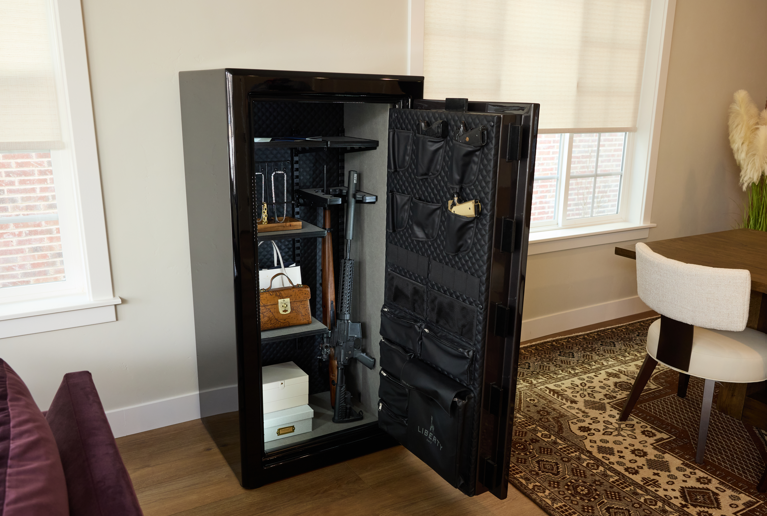
Catalog shelf-by-shelf or container-by-container (top shelf, door panel, lower shelf, document pouch). This prevents missed items and keeps reloading the safe straightforward.
4) Photograph with purpose (30–45 minutes)
Take two types of photos: • Context image: the item in the safe (demonstrates ownership and placement). • ID photo: detailed shot of label/serial/model, or a unique marking. • Document images: receipts/appraisals/warranty pages, if available.
5) Store a duplicate outside your home (10 minutes)
If your inventory lives only on a device in your home, it can be hard to access when you need it. Store a backup in encrypted cloud storage and/or a separate physical drive held offsite.
6) Add a maintenance routine (5 minutes to set up)
Put a recurring reminder on your phone: first weekend of each month (or quarterly) to update anything new, removed, or upgraded. Consistency wins over perfection.
Turn your inventory more intelligent with condition tracking
A good inventory isn’t merely about “what you own,” it’s also about keeping possessions in stable condition. For the owners who store sensitive valuables, adding basic humidity and temperature monitoring can help you preserve an appropriate environment inside the safe.
Add a detector
Log your “baseline” readings in your inventory notes so you can catch changes early.
Humidity & Temperature Monitor
Reduce moisture
When using a dehumidifier or moisture absorber, document the model and service schedule in your inventory.
Dehumidifier Rod
Desiccant Canister
Reduce floor-related moisture
If your safe rests on concrete or inside a garage, record your floor protection strategy and anchoring details.
Protection Pads
Stacking Safe Organizers
- Optional: Include a “Safe Setup” tab to your inventory (safe model, serial, installed accessories, anchoring kit, and where backups are stored).
- United States angle: plan for common claim pain points
Across KY, homeowners and renters often realize the most challenging part of a claim isn’t the paperwork—it’s reconstructing a thorough list of personal property. A “safe inventory” helps because it’s already focused on your highest-value, highest-importance items. Keep these practical habits: • Store policy numbers and insurer contact info in the same folder as your inventory. • Keep receipts and repair/replacement expenses organized; most claim resources highlight saving receipts. • Store offsite backups so your documentation survives the event you’re preparing for. Important: Be sure to follow your policy's specific requirements and your insurer’s claim instructions. Need help picking the right system for documenting and organizing your safe? Liberty Safe can help Louisville owners match accessories and organization options to your safe and your routine—so inventory updates remain fast and painless.
Get in touch with Liberty Safe
Quick question from Louisville? Include your safe model and what you’d like to record.
FAQ: Safe inventories, contents documentation, and insurance claim support
How specific does my inventory have to be? Specific enough that a third party could identify each item. For high-value items in Louisville, document model/serial numbers and close-up photos of distinguishing marks, plus any receipts or appraisals you have.
Is a video walkthrough “good enough” for insurance claims? A video walkthrough is a solid start and captures context quickly. It’s even better when paired with a simple written list for quick lookup and a folder of receipts/appraisals for high-value items.
Where should I keep my inventory? Maintain at least one copy offsite (a secure cloud backup or a physical drive kept away from home). If you retain a paper copy, store it separately from the items it documents.
How often should I update my safe inventory? A monthly or quarterly cadence works well. Update whenever you add, remove, or notably upgrade an item. A simple routine avoids a big “catch-up” project later.
Do I need serial numbers for everything? Not necessarily. Prioritize serials for electronics, power tools, and other items where a label is visible. For items without serials, rely on clear photos, item descriptions, and supporting documents.
Glossary
Contents documentation for Louisville owners: A set of records (list, photos, receipts) that shows what you own and essential identifying details. Replacement value: A sensible estimate of what it would cost to replace the item with a comparable one today. Serial number: A unique identifier assigned by the manufacturer that helps confirm the exact item. Off-site backup: A record of your inventory maintained somewhere outside of your home (online storage or a separate offline location).